Youre more likely to get diseases like the flu pneumonia and shingles and to have complications that can lead to long-term illness hospitalization and even death. How you get it.
 Safety Information For Measles Mumps Rubella Varicella Vaccines Cdc
Vaccines help protect you from serious infectious diseases throughout your life from infancy to early adulthood and into old age.

How often should you get mmr vaccine. Adults over the age of 50 are recommended to get two doses of the shingles vaccine for. The best way to stay on schedule with vaccinations for your dog or cat is to follow the recommendations of a veterinarian you trust. There is also a combination vaccine for both hepatitis A and B called Twinrix which is given in three doses over six months.
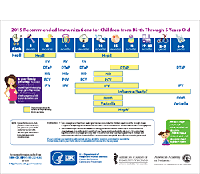
Children should get two doses of MMR vaccine starting with the first dose at 12 to 15 months of age and the second dose at 4 through 6 years of age. CDC recommends that people get MMR vaccine to protect against measles mumps and rubella. Chances are your vets suggestions will break down into two categories.
Its been estimated that ITP develops in 1 in every 24000 doses of the MMR vaccine given. This is if it has been more than 10 years since the previous dose. How often a person should get the pneumonia vaccine depends on their age and overall health.
Teens and adults should also be up to date on their MMR vaccination. Vaccine schedules tell you which vaccines you and your family need and when to get them. If you miss your second dose or you dont get it on time just get it as soon as you can Schaffner advises.
Like people pets need vaccines. Pfizers vaccine is administered as two 30-microgram doses given 21 days apart. Adults getting the vaccine need three doses the second dose given four weeks after the first.
The vaccine is highly effective against the measles which is a very contagious respiratory virus. A dose of Tdap has been recommended for all adults since 2005 but only about 20 percent of older adults have ever received it according to the CDC People 19 and older should get a booster of. A child should receive the first shot when they are between 12-15 months and the second when theyre between 4-6 years of age.
It can affect people at any age but is especially serious for babies. If you have an ongoing health condition like diabetes or heart. For example there are vaccine schedules for.
Healthcare personnel without presumptive evidence of immunity should get two doses of MMR vaccine separated by at least 28 days. Vaccine schedules are organized by age. As you get older your immune system weakens and it can be more difficult to fight off infections.
The CDC recommend the following schedules. Anyone born before 1957 is generally considered immune. In this section youll find information about vaccine schedules.
You were born before 1957 but you work in healthcare or a lab test shows you are not immune. Shingles is more common in people over 50. It requires two injections given 21 days apart.
This vaccine is for people age 16 and older. You may need 1 or 2 doses at least 4 weeks apart if. Infants should receive the PCV13 vaccine at 2 4 6 and.
You may need the MMR vaccine if you do not have evidence of immunity to measles mumps or rubella. MMR is a two-shot series of vaccines usually given during childhood. As a shot or sometimes a nasal spray is recommended How often and when.
And pet vaccinations like those for humans may sometimes require a booster to keep them effective. The MMR vaccine. Its also seen in people who have a weakened immune system.
Once a year usually starting in September through the end of the flu season which can last as late as May. The third dose five months after the second. ITP usually gets better without treatment but as with any rash you should get advice from your GP as soon as possible.
However the risk of developing ITP from measles or rubella infection is far greater than from having the vaccine. Core pet vaccines and non-core vaccines. Today kids get two doses of the MMR vaccine which protects against measles mumps and rubella one at 12 to 15 months and a second dose at ages 4 to 6.
Vaccines are especially important for older adults. Who should get the MMR vaccine. Although birth before 1957 is considered acceptable evidence of immunity in routine circumstances healthcare facilities should consider vaccinating healthcare personnel born before 1957 who lack laboratory evidence of immunity or laboratory confirmation of disease.
This means that about 95 of people who get the vaccine are protected from becoming seriously ill with the virus. The Pfizer vaccine is designed to be given in two injections 21 days apart while the Moderna vaccine calls for a 28-day window between shots. A single booster dose of whooping cough pertussis vaccine is recommended for adults who are in close contact with infants.
If authorized the Moderna vaccine would be used in people 18 and older while the Pfizer vaccine was.

